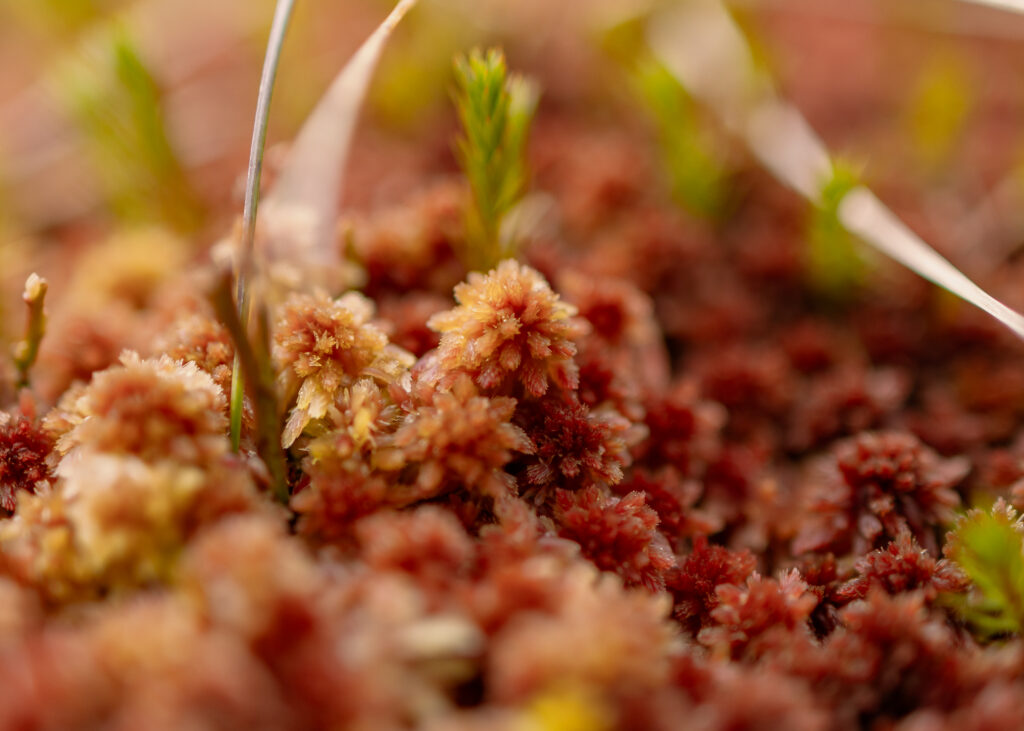
Communities to grow plants for rare peatlands
More than 156,000 specialist plants will be grown as part of £390,849 project in Blackburn and Burnley
The National Lottery Community Fund project will see moorland plants – like sphagnum moss, cotton grass and sundew – transferred to endangered peatlands on the West Pennine Moors benefitting thousands of people.
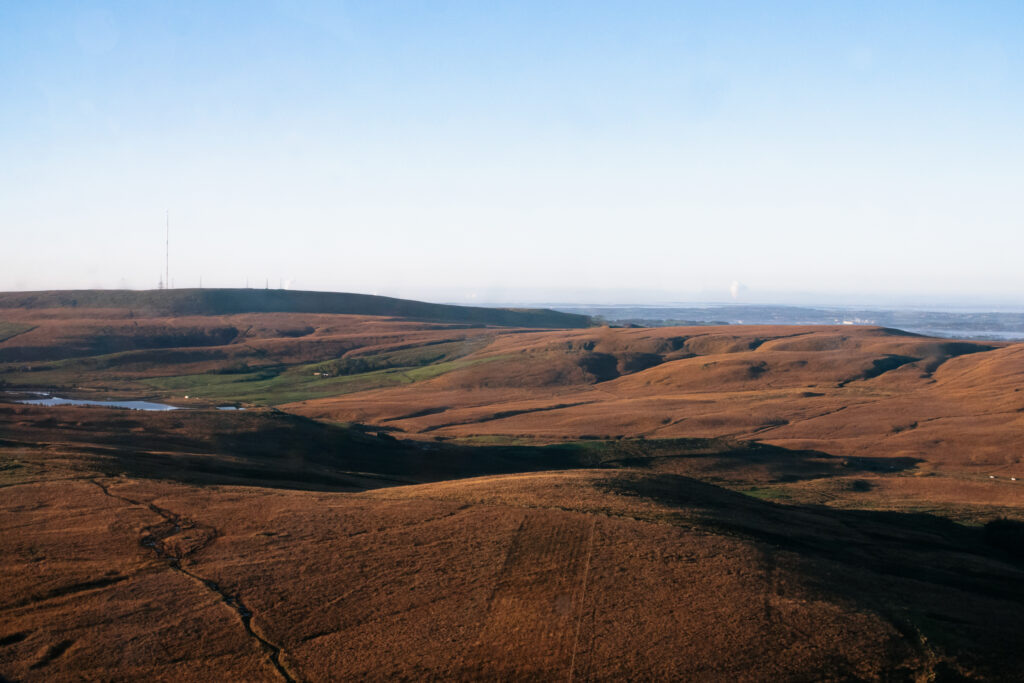
Lancashire Wildlife Trust has received the funding for its Growing Recovery Project, ensuring around 20 community groups and a diverse range of people across Blackburn with Darwen and Burnley are active in local environment and nature recovery activities that will directly impact 39 hectares of the moors.
- The project aims to prevent 1,575 tonnes of carbon emissions being released which is detrimental at a time of climate crisis.
- Almost 200 people from deprived backgrounds will participate in related wellbeing activities that are linked to community growing which will improve mental and physical health.
- Up to 6,000 people will attend training, workshops and events to share learning at community venues and schools.
The partnership between Lancashire Wildlife Trust’s (LWT) Nature and Wellbeing team and Lancashire Peat Partnership for The Growing Recovery Project will have a significant impact on peatland restoration and provide several benefits for communities across the two boroughs, including supporting wellbeing and employability. This a new approach for LWT, who are looking forward to learning together with communities.
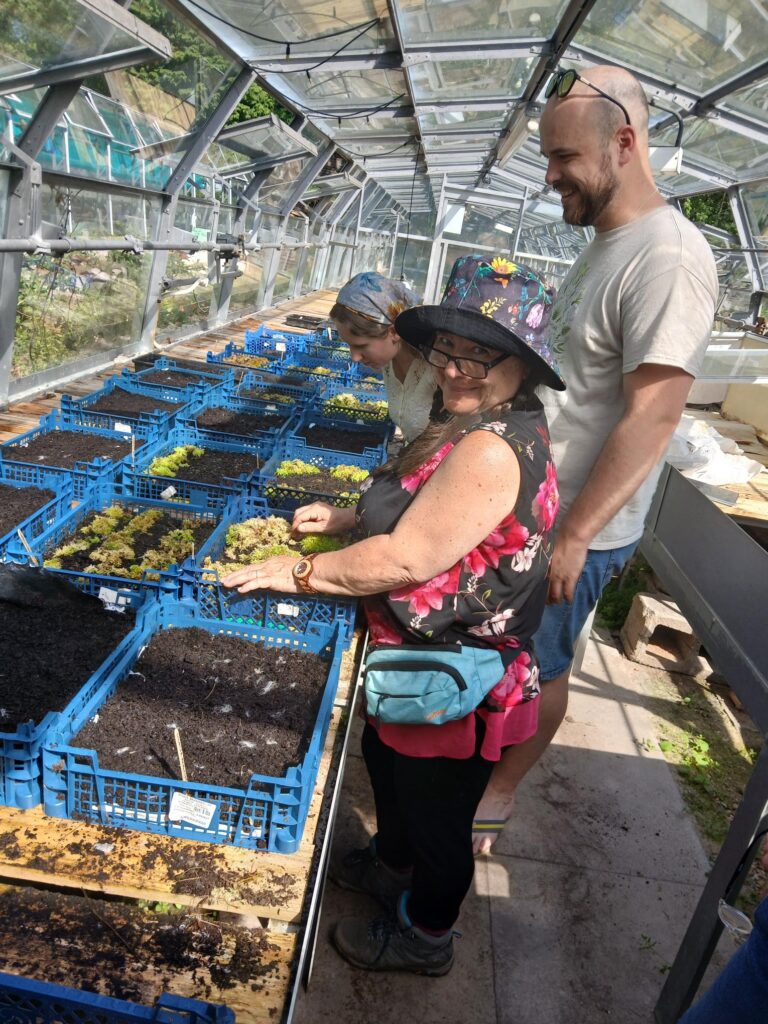
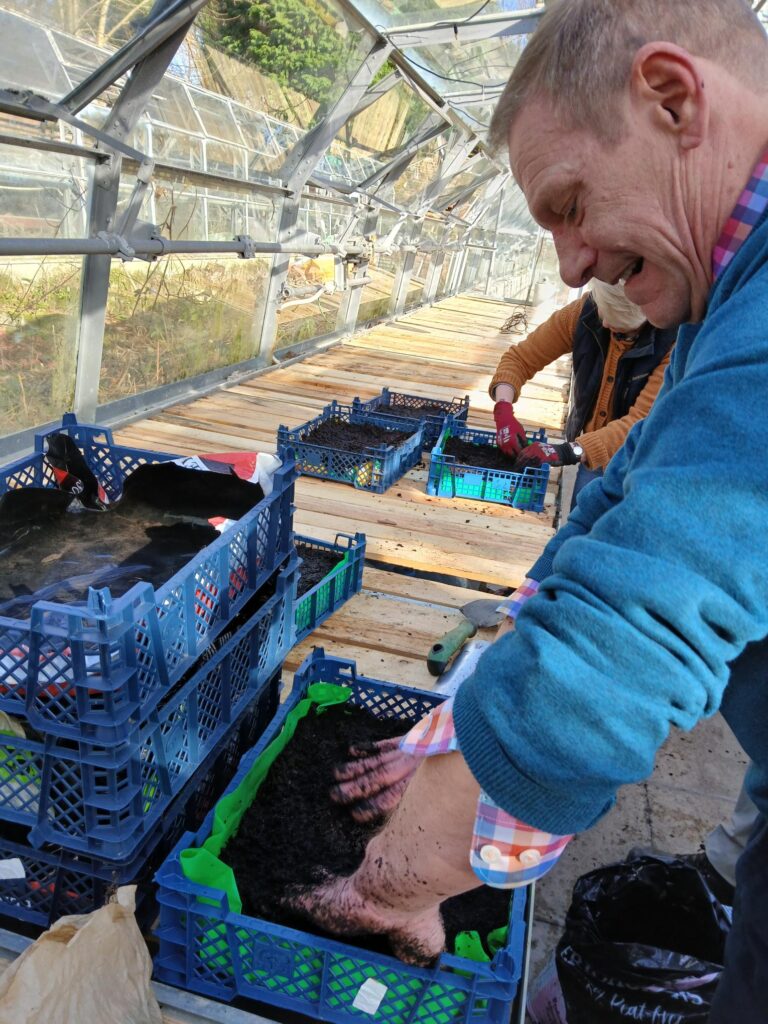
Initially through LWT’s wellbeing sites such as The Greenhouse Project in Blackburn and The Chai Centre in Burnley, wellbeing groups and volunteers will work with Community Horticulturists to grow plants such as sphagnum moss which will then be used to re-build bare peat areas.
Sue Jeffries, Community Horticulturist at The Greenhouse Project for The Wildlife Trust for Lancashire, Manchester and North Merseyside, said: “This is all set to be an exciting growing project; for me it’s a new exploration into peatland plants and how best to propagate them in everyday spaces so that the widest possible range of people can get involved in growing to help restore our wonderful local bog habitats.”
This work will then be extended by collaborating with community groups, volunteers and participants of the project to give a practical understanding of how to positively act for nature’s recovery. This will include visits and guided walks on the moors.
Lois Clark, Engagement Officer at Lancashire Peat Partnership, said: “I’m really excited to be part of Growing Recovery. Peatlands aren’t always the most accessible places, so thanks to National Lottery funding, we’re able to bring the peatlands to people. It’s a brilliant opportunity to introduce a whole new group to the incredible landscapes on their local hills, while giving them the skills to play their own part in restoring these habitats and tackling climate change.”
The project has kickstarted this month at The Greenhouse Project in Blackburn, with the Growing Recovery volunteer training programme about growing native bog species and understanding peatland habitat, which will continue to the end of October. There will be practical moss and plant growing activities there every Thursday morning. The team are also excited to launch activities around peatland restoration in Burnley for the first time, taking community groups to visit the moorlands, some of which may never have had the opportunity before to experience this landscape firsthand.