
Lancashire leading the way: How GA Pet Food is redefining what zero waste really means
There’s a phrase that gets used a lot in sustainability conversations: zero waste to landfill. At GA Pet Food, based in Lancashire, it’s becoming a reality.
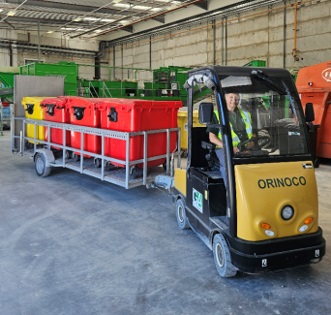
“As a proud Lancashire Ambassador, I’ve always believed that one of the greatest things this county does is back its beliefs with action. Lancashire businesses don’t just talk about ambition — they build it, invest in it, and then share what they’ve learned. The story of GA Pet Food’s sustainability journey is a perfect example of that spirit in action,” says Roger Bracewell, Chairman of GA Pet Food.
In February 2019, GA opened a dedicated 14,000 sq. ft. Recycling Building — a clear, signal to every colleague, partner and customer of commitment.
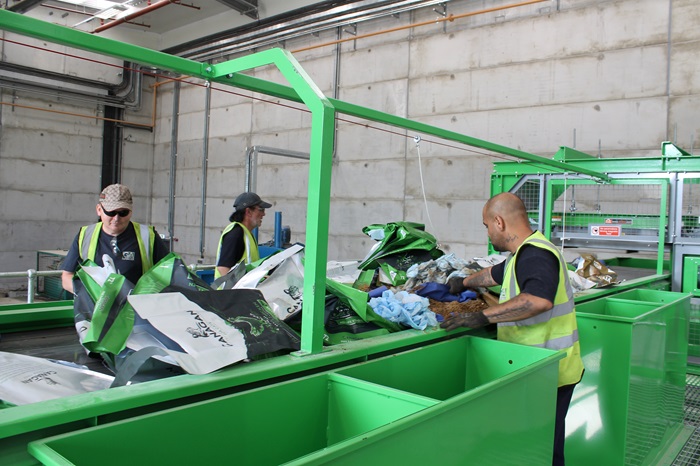
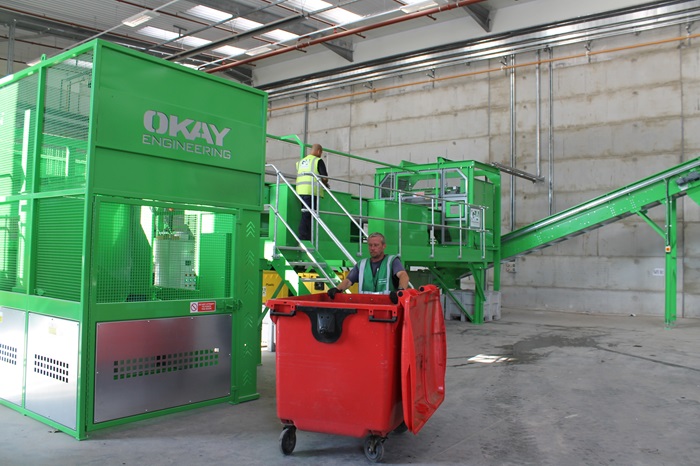
The centrepiece of that building is a bespoke recycling sorting line, operational since July 2021. Waste enters via a hopper bin and travels along a conveyor past six manual picking stations, where operators recover plastics, paper, cardboard, wood, and bottles. What remains then passes under a magnet to extract ferrous metals before entering a trommel — a rotating drum that separates pet food kibble and organic dust from the remaining material. That recovered organic matter? It’s sent to energy-from-waste plants to generate renewable electricity.
What’s left after all of that is minimal and shrinking, the result: a recycling rate of 98%, with a clear plan in place to reach 100%.
It’s very clear that infrastructure only works if the people using it are engaged. GA understood this from the start. Every office and work area across the site is equipped with specific bins for cardboard, plastic, bottles, cans, and food waste. The Environmental Department audits this segregation every single week and crucially shares the results company-wide.
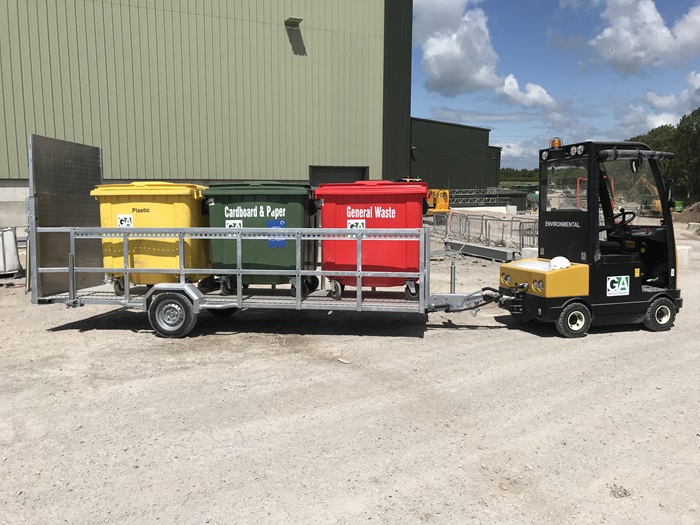
That transparency matters. It creates accountability without blame and it builds a culture where doing the right thing becomes the norm, not the exception. The outcome? Regular weekly audit scores of 100% correctly segregated waste across all GA departments.
Once the big wins were in place, GA turned its attention to single-use plastics the kind of items that quietly accumulate in any manufacturing environment including hair nets, earplugs, sanitising wipes, blue paper rolls. They were replaced with permanent, washable alternatives.
It’s the kind of decision that doesn’t make headlines, but it speaks volumes about intent. True sustainability isn’t just about the tonnage diverted from landfill, it’s about questioning every assumption, including the small ones.
The next phase continues that thinking transitioning gloves, oil cloths, shoe covers and coveralls to reusable solutions, while also moving pet food packaging towards fully recyclable materials and embedding a genuine circular economy across operations.
Roger concludes: “As Lancashire Ambassadors, we talk a lot about showcasing what makes this county extraordinary. We mean it. And when a Lancashire business invests in a 14,000 sq. ft. recycling facility, builds the systems to use it properly, trains and engages its people, and then keeps pushing for more, that’s exactly the story we should be amplifying.
“This is what it looks like when businesses don’t just join the conversation about sustainability but lead it.”