
Ditchburn Jukebox Museum
- Home
- Ditchburn Jukebox Museum
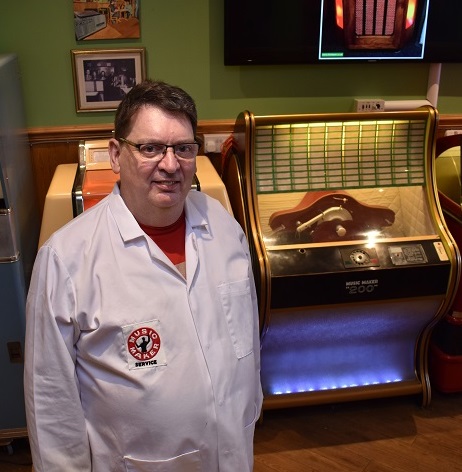
In the 1940s and 50s the ‘teenager’ emerged as a distinct social group, gravitating to the new coffee shops and milk bars where they heard (and danced to) the latest tunes of the day on a jukebox. Karl Dawson, was just a youngster in the 70s, when he fell in love with the curved chrome, mechanical whirring and bright bold lights of the jukebox.
He now owns a unique jukebox museum and cafe in Lytham St Annes. We put Karl in the Spotlight.
What first sparked your love of jukeboxes ?
During the school holidays in the 1970s when I was about 7 or 8 years old, I used to accompany my father who was drayman for the Steward and Patterson brewery in Norwich; he delivered kegs to pubs all over Norfolk and Lincolnshire and sometimes, whilst he was taking the kegs down to the beer cellar, he would give me sixpence to play a song on the pub jukebox. It was my highlight of the day, not just choosing a song but watching the mechanics of the machine, seeing the record carousel rotate to the record I had chosen, seeing the gripper arm pick the record and place it on the turntable, watching the tone arm place the needle into the first groove on the record. The song itself was irrelevant, but I stood there waiting for the record to finish so I could watch the mechanics of the jukebox repeat its motion in reverse. That was it. I was hooked.
How did your collection start?
Surprisingly, it was 56 years after my first encounter with a jukebox that I actually decided to buy one for myself. I owned a Thai restaurant in Lytham St Annes for 15 years and when we retired and closed the restaurant in 2017, I thought it would be nice to buy a jukebox to put into the empty restaurant space. I was looking on eBay where I came across this strange red jukebox that had the name Music Maker, and it was different to a lot of jukeboxes I was familiar with. I spoke to a friend of mine who was a jukebox historian and he told me that the machine was made at the Ditchburn jukebox factory in Lytham St Annes.
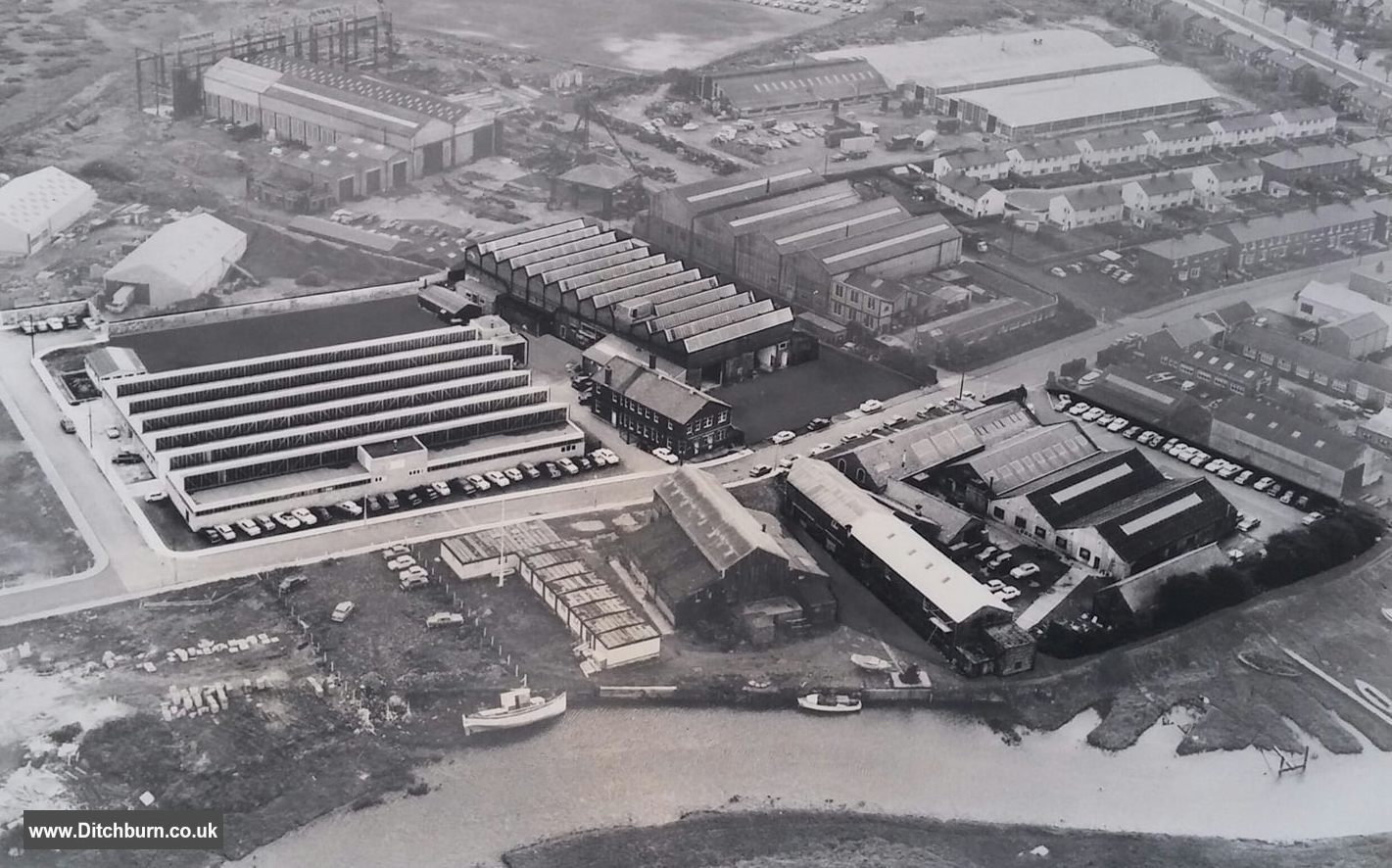
This was the first time that I had heard that there was a jukebox factory in the town where I lived, and because of this connection I bought the jukebox from a chap in Middlesborough. I drove it back home which was quite emotional, as it felt like I was bringing it back home to the place that it was born. I had bought the jukebox as a non-working machine and fortunately, as a trained engineer, I was able to repair it. I set about the task of restoring the machine to a working condition. The problem I faced was I had no circuit wiring diagrams or service manuals for this machine. I scoured the internet trying to find some information but there was nothing out there, so I decided to start a Facebook page about the machine and asked on other local Facebook pages if anyone had information on this jukebox.
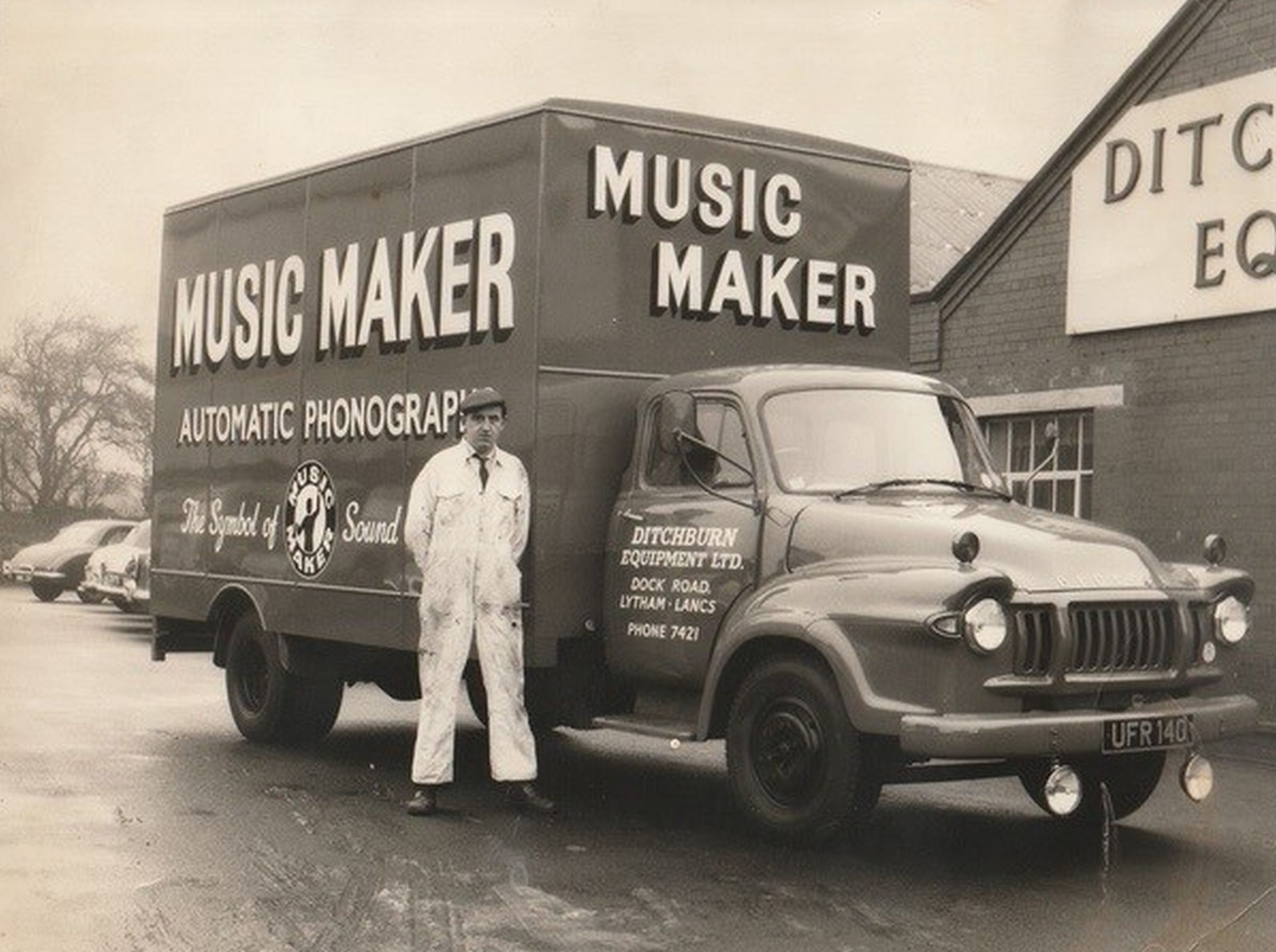 The response was slow at the start but gradually people started contacting me to tell me things like “my dad worked at Ditchburn” or “my auntie” or that they “worked at the dock road factory”. I felt that this new-found slice of local history need a bigger presence on the internet so, I set up a Web page www.ditchburn.co.uk to highlight the history of this company that brought rock n roll to the youth of Great Britain back in the early fifties. As people shared the web page it exploded. I had people contacting me from all over the world to say that they had a Ditchburn connection or they owned a Ditchburn Music Maker jukebox. The website archive now has hundreds of photographs and articles from the very people that contacted me or worked there, and it also has a section where all the machine manuals can be downloaded to assist others that want to restore a Ditchburn jukebox to its former glory. People would also tell me about auctions that had Music Maker jukeboxes for sale … it was then I decided that it would be great to have more of these locally built machines.
When did your passion turn into an idea for a museum?
Some people have called it a passion, but I think it’s also verging on an addiction. In 2019 I heard that there was a collection of Music Maker machines on display in a jukebox museum in the Czech Republic so I decided to take a trip to have a look. The Museum is the Terra Technica in Chvalovice, it houses over 900 jukeboxes on display to the public. I spent 3 days walking around the museum and managed to document all the Ditchburn Music Maker jukeboxes on display. When I came home, the museum had planted the seed of the idea to share my machines with others; I thought it would be great to have a small place that people could visit, experience, and listen to these amazing locally built machines.
How many jukeboxes are now in your collection?
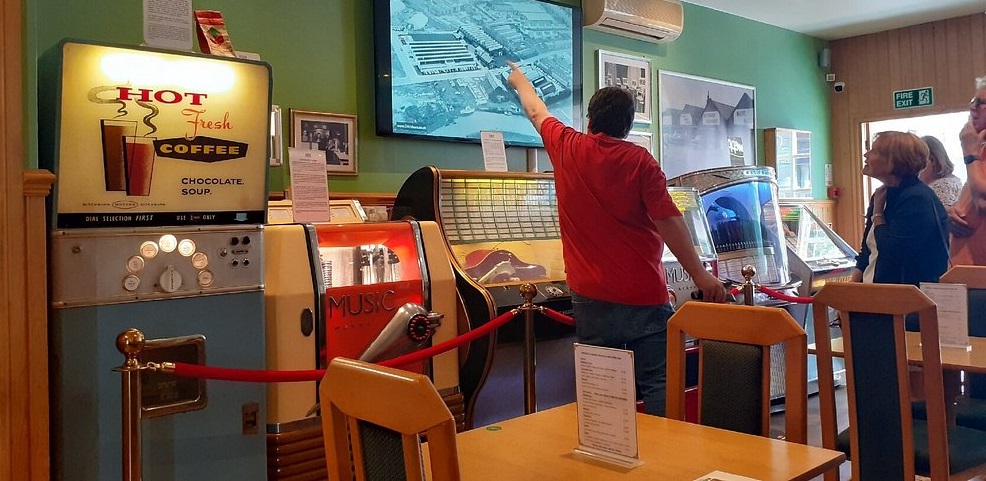
We currently have 10 Ditchburn Music Maker jukeboxes in the collection, some are still being restored to working condition and we have 5 working jukeboxes currently on display that people can come and play their favourite tunes. We also have other products on display that Ditchburn manufactured here on the Fylde coast between 1947 and 1986. Ditchburn was also one of the largest producers of vending machines; the Tea and Coffee machines could be found in many bus and railway stations across the UK but primarily, were the highlight of many a child’s visit to the swimming pool that ended with a cup of hot chocolate, to warm us up after a cold swim. Other Ditchburn machines we have on display in the museum are the BGM machines known as “Background Music” Machines, these were popular in the 60s and 70s in most supermarkets that would use them to encourage shoppers to relax to the gentle tunes, in the hope that they would spend more money. BGMs also provided music for restaurants and other retail establishments in that same era.
 Have you a favourite jukebox?
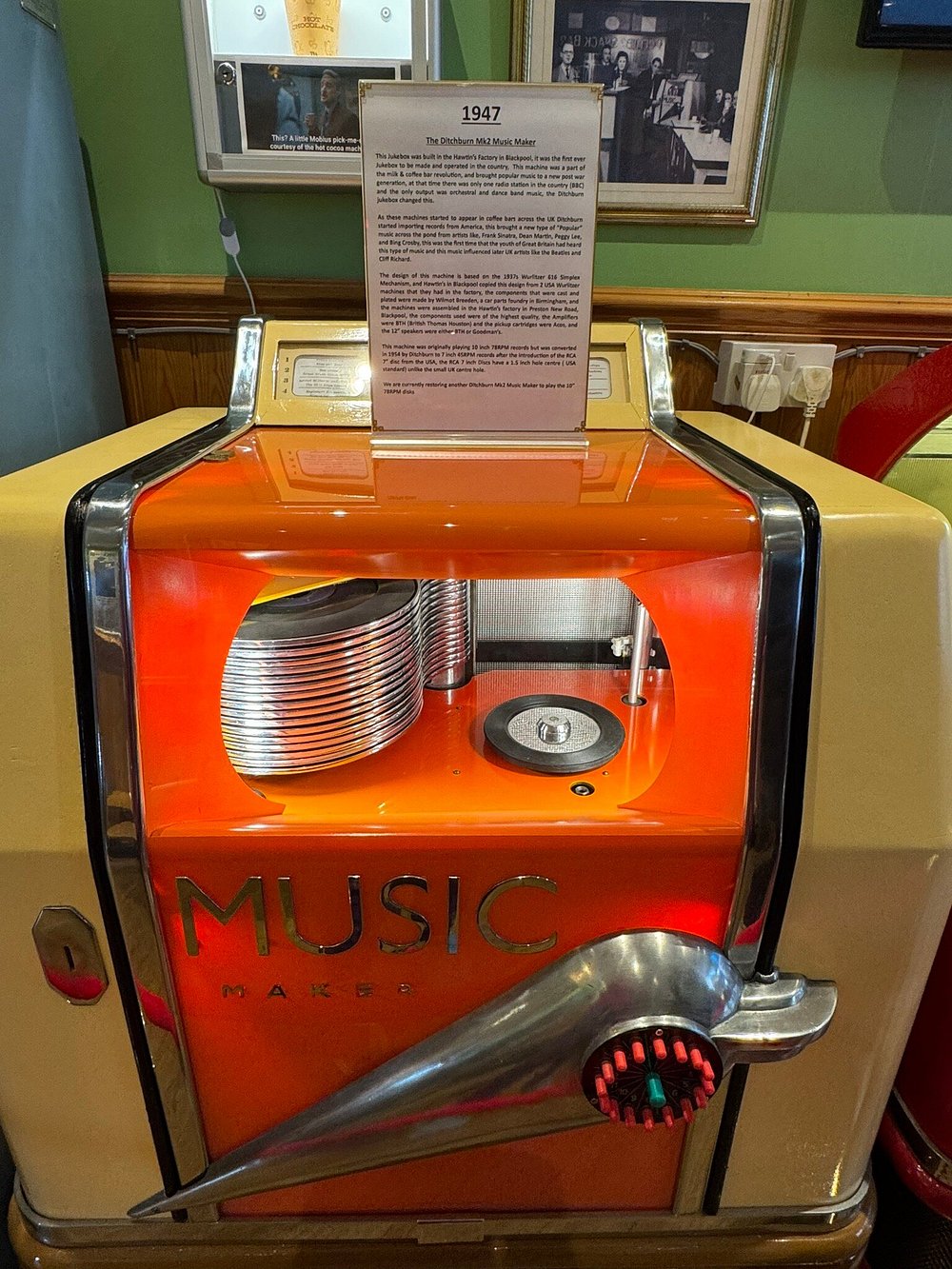
Of all the machines my favourite machine is the oldest Jukebox we have on display, built in 1947 it still has all the original components including the amplifier, tonearm, and speaker and it sounds just like it did back in the late 40s. This year, we have also restored this machine back to playing 10-inch 78rpm records and it sounds amazing.
Each jukebox must have its own story to tell – have any in your collection got illustrious/famous associations?
The first jukebox I bought was the Red Music Maker 30, most of the ex-Ditchburn employees that saw this jukebox said that the colour was non-standard, as they did not produce red machines. I thought that it must have been repainted at some time, but when I started to restore it, I realised that all the paint was original and there were no other colours of paint under it.
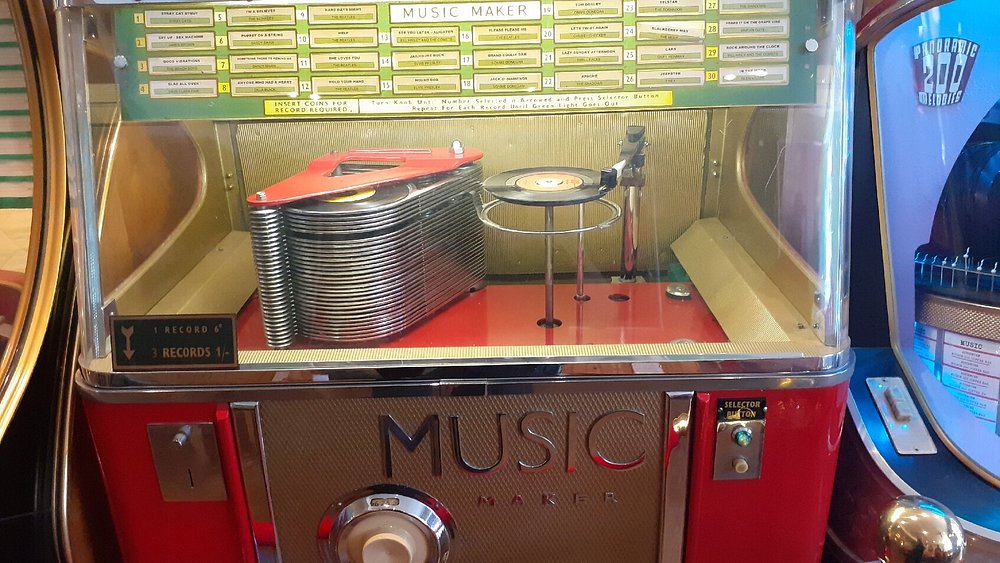
Later another jukebox collector told me that he had seen this very same jukebox many years ago, stored away, sitting under the stage at Butlins Holiday Camp in Scarborough ( not far from where I had bought it from in Middlesborough). It all then fell into place; Ditchburn had made this machine especially for Butlins, in the Butlins red colour.
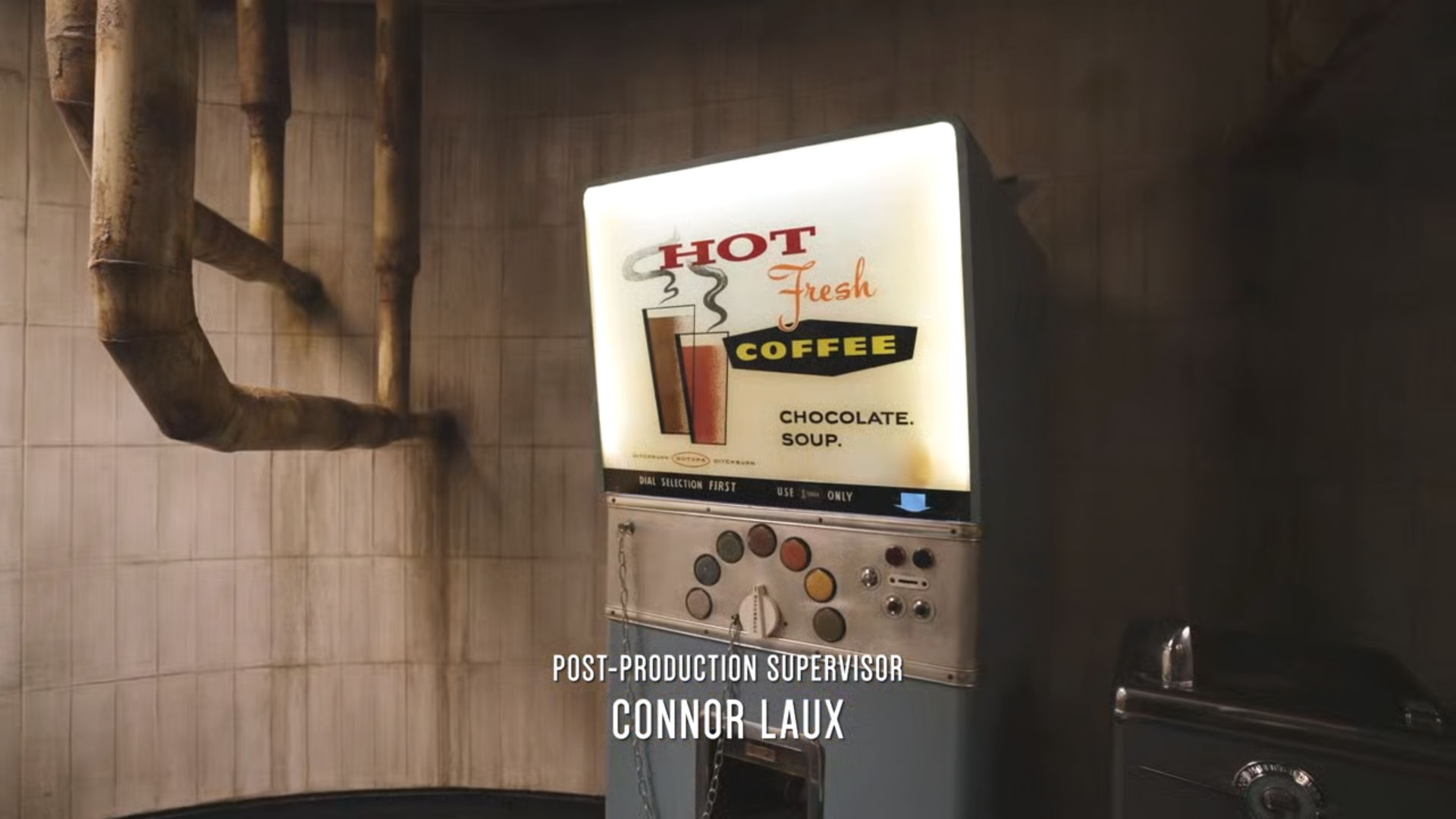
One of my other favourite machines is not a jukebox but the 1960s tea & coffee vending machine, that I purchased from a farmhouse near Durham. When we arrived to pick it up we spoke to the owner of the farmhouse and asked her why she had a vending machine there. She said that many years ago the farmhouse was bed & breakfast that was used by many pop bands and artists in the 70s, that were touring the clubs and theatres of the North East of England. The bands would come back late from playing gigs and ask the owner to make teas and coffees for them. She said she got fed up with this, so bought the machine so she could go to bed early. “Do you remember the 70s band Hot Chocolate?” she asked, I said “Yes of course” and then she told us that the band Hot Chocolate used to buy hot chocolate out of this very machine. The very same machine spent 3 months at Pinewood Studios in London a while back too, in the company of Hollywood stars Owen Wilson and Tom Hiddleston in the Marvel and Disney+ series “Loki”.
Where do you hear about potential new jukeboxes for your collection and how much do they cost in the market/at auction?
Thankfully, I believe we have most of the Ditchburn Machines produced now in the collection, but occasionally some do pop up on eBay or in auction houses; I tend to buy scrap machines now, to strip down for parts to keep the display machines working. The value of these fully restored British machines is not as high as a restored USA jukebox; typically the price of a 1947 Music Maker machine will fetch around £5000 compared to £10,000 for a USA model. But for me it’s not about the value it’s more about preserving the local history of these amazing machines.
Has Lancashire any significant associations with the production of jukeboxes or their popularity in the heyday?
The Music Maker was the first British built Jukebox, originally it was instigated by the Lancashire band leader, Jack Hylton. Jack was touring and entertaining the troops in the American airforce bases in Germany in 1945, where he asked the troops what they missed most about home and they said their families, hotdogs, and jukeboxes, Jack was unable to do anything about the first two items but he thought if he could get jukeboxes into the US bases with his records on, the troops would remember Jack and he could break into the US market.
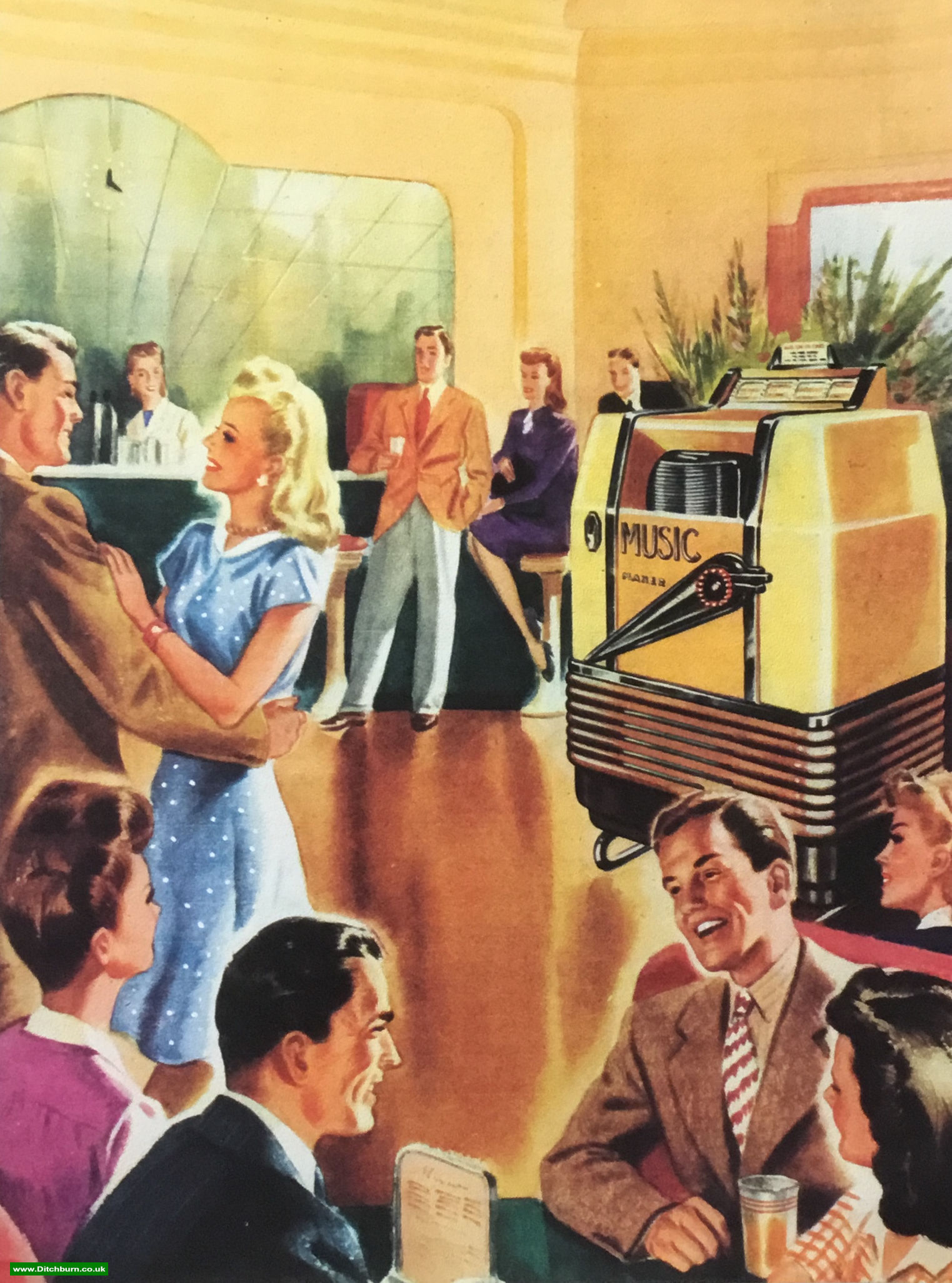
At this time imports of non-essential items like American jukeboxes was prohibited, so Jack looked to the Hawtin’s Brothers in Blackpool – an amusement machine maker before the war. The Hawtin’s factory started to manufacture the Jack Hylton Music Maker ( a copy of a 1935 Wurlitzer jukebox) but when they sent the first few to the US bases, the troops complained they looked too old fashioned. So, Jack Hylton and Hawtin’s produced a new space age style cabinet, removed the mechanisms from the unpopular cabinets and put them in the new ones. Unfortunately, by the time they had completed this the US air force bases were closing and they no longer wanted the Jukeboxes. To make matters even worse the UK government had put a ban on selling non-essential items in the UK unless 80% of production was exported abroad. Hawtin’s could not sell the jukeboxes in the UK so Jack Hylton walked away from the project and left the 500 jukeboxes at the Hawtin’s factory.
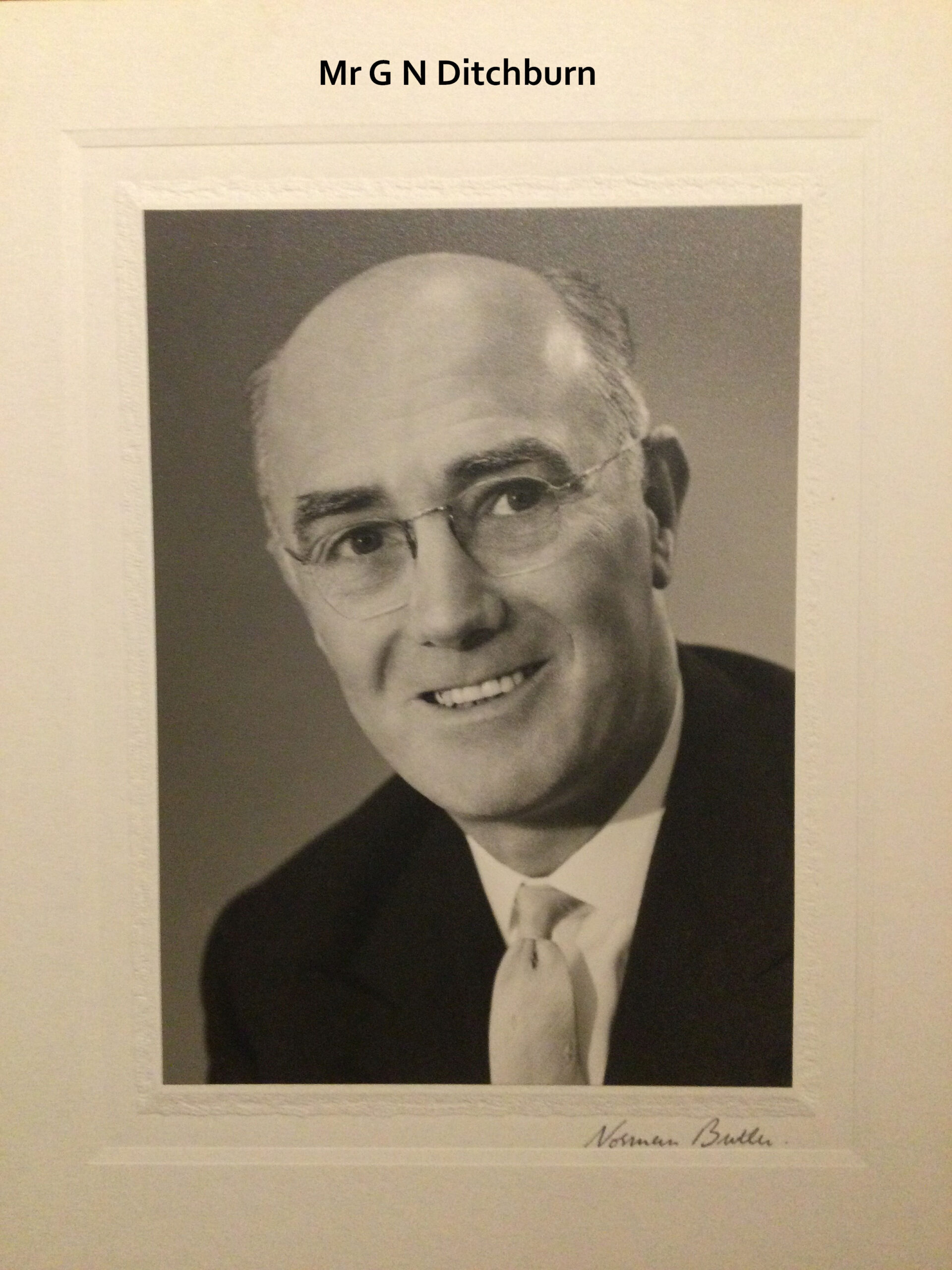 Mr Geoffrey N Ditchburn heard about the 500 jukeboxes and decided to buy the Music Maker Company from the Hawtin’s Brothers. Mr Ditchburn had worked out that if he maintained ownership of the jukeboxes and then rented them to coffee bars and milk bars he would not need to export any machines as he was not actually selling a jukebox. They became so popular that Ditchburn then manufactured an additional 500 Machines and by 1949 he had over 1000 Jukeboxes spread across the UK. In 1952 he moved the production from Blackpool to Lytham St Annes and it was around this time that he started bringing in the early rock ‘n’ roll records from America and putting them on the jukeboxes. This was the first time that teenagers all over the UK heard these exciting new rock ‘n’ roll sounds.
What tends to surprise visitors the most about your jukeboxes and the museum?
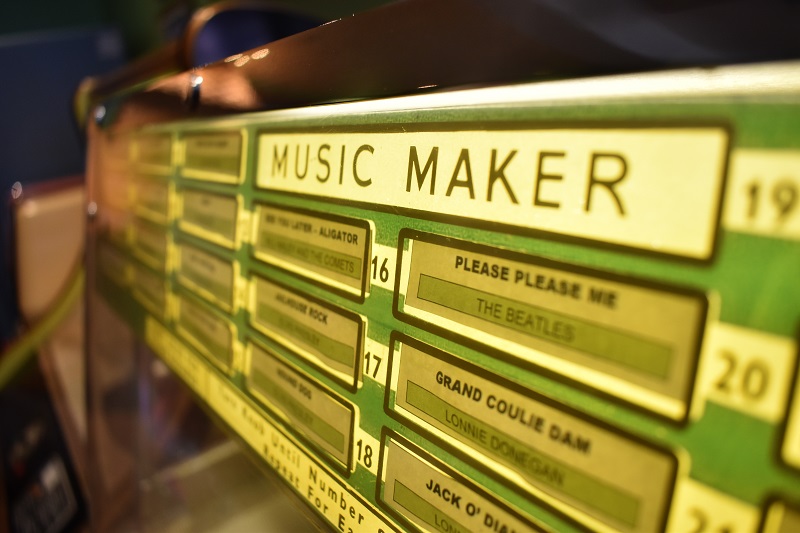
Most people are surprised that the museum is free to enter and they can select their favourite tunes, without having to put any money in the machines, all we ask is they support us by using our coffee shop or by leaving a small donation in our donation box. Most young visitors are surprised by how good the jukeboxes sound, mainly because of the way that they listen to music today – through mobile phones, ear buds, or Bluetooth speakers. None of these modern devices can replicate the big bass sound of a Goodmans 12-inch speaker and a valve amplifier, that is the heart of each of the jukeboxes we have on display.
What were the biggest challenges in setting the museum up and what has been most rewarding about the process?
Like most projects it’s the cost, the whole venture was funded by me, my pension and my passion. Fortunately, I own the building in which we’re located so we don’t have to pay rent but, as we don’t receive any grants or funding from the councils etc, we need visitors to come and take a trip back in time and hopefully spend a few quid with us to keep us going for generations to come. Now that we are a partner of Visit Lancashire and on visitlancashire.com, we have seen an increase in our presence in the tourism sector and online. For me it’s not about making money, it’s about keeping a slice of local history alive for many generations to come.
What do you hope visitors will remember most about visiting the museum?
I know that most visitors remember the music, a lot of visitors tell us that it reminds them of their teenage years spent in the coffee bars listening to the jukebox. So many visitors tell us that the song they selected was the first dance at their wedding or the first record that they ever bought, or its was their parents’ favourite song. Sometimes I see it as not a room full of jukeboxes, but a room full of memories and for me, that is magical.
_________________________________________________________________
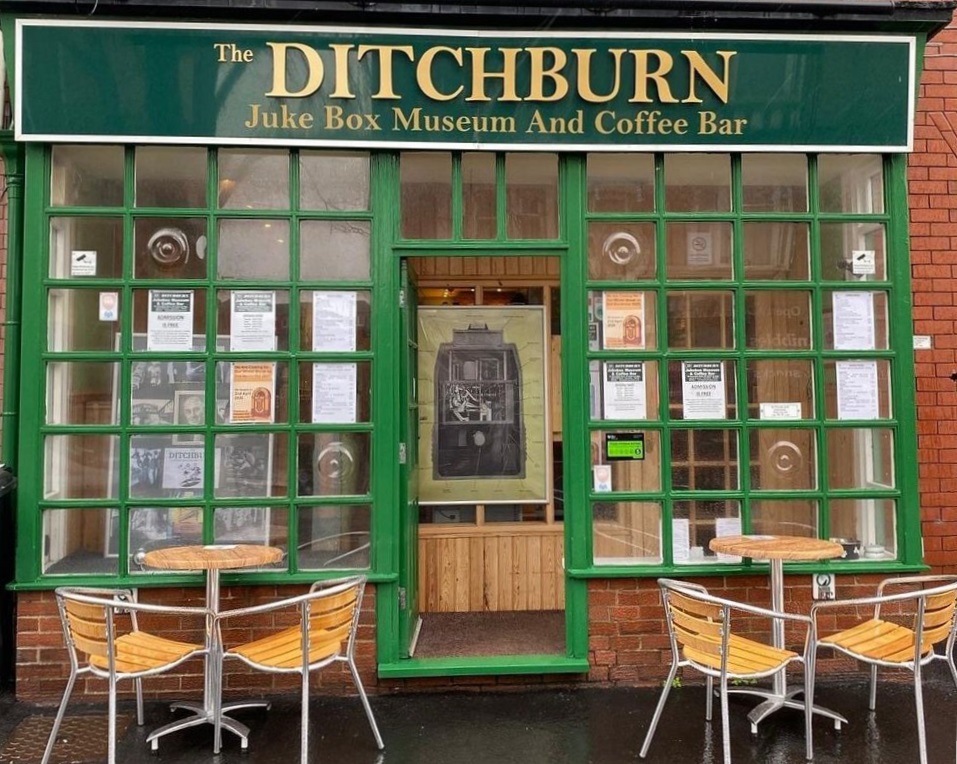 The Ditchburn Jukebox Museum and Coffee Shop
19 Alexandria Drive,
Lytham St Annes,
FY8 1JF
Lancashire